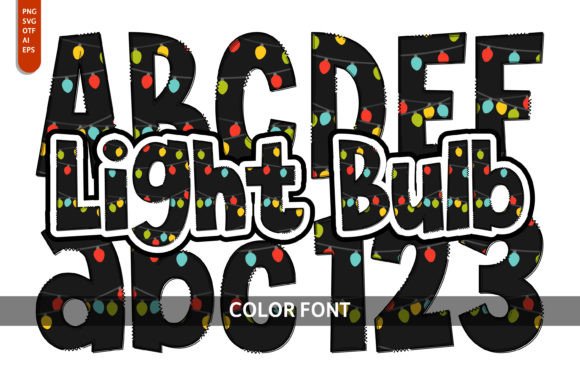
Light Bulb: A Color Font for Playful and Artistic Designs
Understanding the Visual Personality of Light Bulb
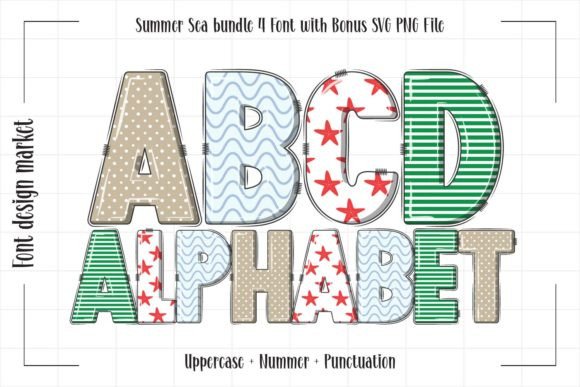
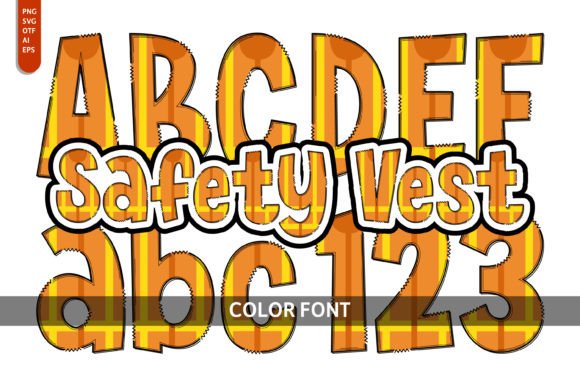
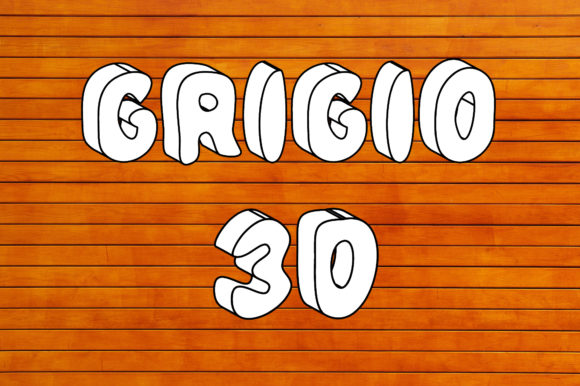
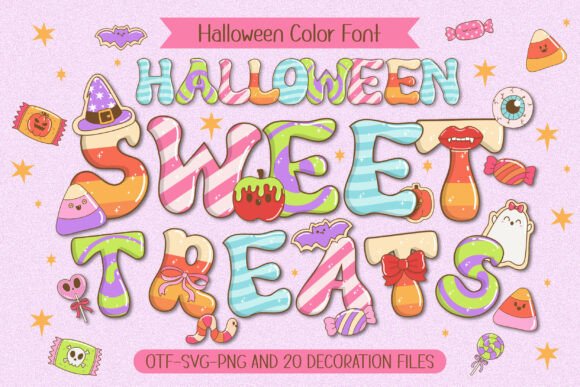
When you first encounter the Light Bulb typeface, it’s immediately clear this isn’t your standard corporate sans serif font. It’s a premium font designed to evoke a specific feeling—one of whimsy, creativity, and youthful energy. As a color font (technically an Opentype-SVG file), Light Bulb arrives with built-in color gradients and textures, meaning the letters themselves are multi-colored and vibrant right out of the box. You don’t need to manually apply layer styles or gradients in Photoshop to achieve that rich, artistic look.
The visual style of Light Bulb leans heavily into a hand-drawn aesthetic. It feels organic and illustrative, straying away from the rigid geometry of a modern typography staple like a geometric serif font. Instead, it embraces irregular lines and a playful bounce. This personality makes it a standout display font. It’s not designed for long blocks of body text; rather, it commands attention in headlines, logos, and standalone phrases. For brand identity, using Light Bulb signals that a brand is approachable, fun, and creative—think children’s education, artisanal candy shops, or creative agencies targeting a younger demographic.
Best Applications: Where Light Bulb Shines
Because of its distinct character, Light Bulb is a specialized tool in a designer's kit. It excels in scenarios where you need immediate visual impact and emotional connection. In editorial design, specifically within children’s books, this font is a natural fit. The colorful, rounded letters engage young readers and make the reading experience feel like play rather than work. It pairs beautifully with bright illustrations without competing for attention, provided the background isn't too busy.
For packaging design, Light Bulb works wonders for products that want to stand out on a shelf. Imagine a box of craft crayons or a bag of gourmet popcorn; this creative font instantly communicates fun and flavor. Similarly, in the realm of greeting cards and invitations, particularly for children's birthdays or whimsical baby showers, Light Bulb replaces the need for complex clip art. The font itself becomes the decoration.
In the digital space, social media graphics benefit greatly from this typeface. On platforms like Instagram or TikTok, where scroll-stopping power is essential, a header written in Light Bulb can grab attention faster than a standard script font. It is also excellent for short, punchy video titles or thumbnails. However, it is crucial to note the technical limitations: while this premium font is compatible with Adobe Photoshop, Illustrator, Silhouette, and Inkscape, the OTF/TTF files are not compatible with Cricut machines due to the complexity of the color data.
Practical Guidance for Designers and Creators
Integrating a color font like Light Bulb into a project requires a slightly different approach than using standard vector typography. First, consider font pairing. Because Light Bulb is loud and expressive, it needs a grounding partner. Pairing it with a clean, neutral sans serif font (like Montserrat or Open Sans) for body text is a safe bet. This creates a clear visual hierarchy, allowing the display font to handle the excitement while the sans serif handles the information delivery.
When evaluating project fit, ask yourself about the readability requirements. If your project requires dense information—like a technical manual or a legal disclaimer—Light Bulb is the wrong choice. Its strength lies in headlines and short bursts of text (under 5-7 words). For longer phrases, ensure there is enough contrast between the font and the background. Since the font has built-in color, placing it on a white or very light background usually yields the best results to maintain legibility.
From a commercial font perspective, always review the licensing included with your purchase. Most design assets like this come with a license for both personal and commercial use, but verifying the terms for mass production (like on physical merchandise) is a professional necessity. For those new to Opentype-SVG technology, it is highly recommended to consult the "Ultimate Font Guide" provided by the creators. This ensures you understand how to access the full color capabilities in your specific software, preventing the frustration of seeing a flat, single-color version of what should be a vibrant typeface.
Final Thoughts on Creative Branding
Ultimately, Light Bulb is more than just a collection of glyphs; it’s a mood setter. Whether you are a blogger designing a header for a DIY tutorial, an entrepreneur creating logo design concepts for a toy store, or a crafter making party decorations, this font offers a shortcut to high-quality, professional aesthetics. It bridges the gap between illustration and typography, offering a tool that feels hand-crafted yet polished. By using Light Bulb, you aren't just writing words; you are illustrating an idea that resonates with a playful, artistic audience.